1. 텍스트 다루기
앞으로 관심있어 해볼 RNN 에 대한 분야는 sequence 형태의 데이터들을 다루는데 효과적이다. RNN을 배우기 앞서 RNN에 쓰일 데이터들이 어떻게 생겨먹었는지와 개념 등을 익히는 것이 필요하다.
텍스트 데이터
먼저 sequence 데이터의 대표주자는 텍스트라고 할 수 있다. 텍스트 원본을 컴퓨터에서 직접 처리할 수 없으니 바꿔주는 작업을 거치는데 (수치형 텐서로) 이 과정을 vectorizing text 라고 한다. 이 방식에는 3가지가 있다.
- 텍스트를 단어로 나누고 각 단어를 하나의 벡터로 변환
- 텍스트를 문자로 나누고 각 문자를 하나의 벡터로 변환
- 텍스트에서 n-gram을 추출하여 각 n-gram을 하나의 벡터로 변환, n-gram은 연속된 단어나 문자의 그룹으로 텍스트에서 단어나 문자를 하나씩 이동하면서 추출한다.
n-gram이란 ? : 입력한 문자열을 n개의 기준단위로 절단하는 방법
ex ) “I am happy” 를 문자 절단 단위의 3-gram : “I_a”, “_am”, “am_”, “m_h”, “_ha”, “hap”, “app”, “ppy” 가 된다. 단어 단위 2-gram으로 나누게 된다면 “I am”, “am happy” 가 된다.
BoW란? 위의 집합을 각각 bag of 3-gram, bag of 2-gram이라 한다. bag이란 용어는 다루고자 하는 것이 리스트나 시퀀스가 아니라 토큰의 집합이라는 사실을 의미한다. 이 토큰은 특정한 순서가 없으며 이러 종류의 토큰화 방법을 BoW(Bag-of-Words)라 한다. BoW는 순서가 없는 토큰화 방법이기 때문에 문장의 일반적인 구조가 사라진다. 그래서 딥러닝 모델보다 얕은 학습 방법의 언어 처리 모델에 사용되는 경향이 있다.
이를 python으로 구현해본다.
|
1 2 3 4 5 6 7 8 9 10 11 12 13 14 15 16 17 18 19 20 21 22 |
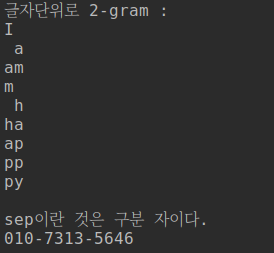
import numpy as np text = "I am happy" print("글자단위로 2-gram :") for i in range(len(text) - 1): print(text[i], text[i+1], sep='') print("") print("sep이란 것은 구분 자이다.") print('010' , '7313', '5646', sep='-') print("") print("단어 단위로 3-gram : ") text = "this is python script" #split은 공백을 기준으로 나누는 함수 words = text.split() print("split 함수로 나눈 text:", words) for i in range(len(words) - 2): print(words[i], words[i+1], words[i+2]) |

zip함수로 구현:
|
1 2 3 4 5 6 7 8 9 10 11 12 13 14 15 16 |
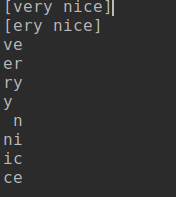
text = "very nice" two_gram = list(zip(text, text[1:])) print("[very nice]") print("[ery nice]") for i in two_gram: print(i[0], i[1], sep='') print("") test = "my mind is hard" test = test.split() test = list(zip(test, test[1:])) for i in test: print(i[0], i[1], sep='') |

단어와 문자의 원핫인코딩
텍스트를 나누는 이런 단위를 token 이라 하고 이런 과정을 tokenization이라 한다. 이런 벡터는 시퀀스 텐서로 묶여져서 심층 신경망에 주입된다. 토큰과 벡터를 연결하는 여러가지 방법 중에 one-hot encoding과 token embedding(word embedding) 를 알아본다.
단어 수준의 원 핫 인코딩을 할때 코드 :
|
1 2 3 4 5 6 7 8 9 10 11 12 13 14 15 16 17 18 19 20 21 22 23 24 25 26 27 28 29 30 |
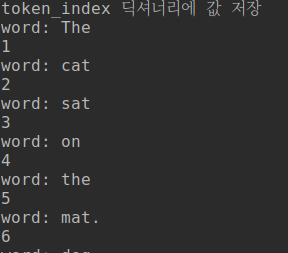
#단어 수준의 one_hot encoding samples = ['The cat sat on the mat.', 'The dog ate my homework.'] token_index = {} print("token_index 딕셔너리에 값 저장") for sample in samples: for word in sample.split(): #not in을 사용하는 이유는 단어마다 고유의 인덱스를 부여하기 위함. if word not in token_index: print("word:",word) token_index[word] = len(token_index) + 1 print(token_index[word]) print("저장된 딕셔너리 : ",token_index) max_length = 10 results = np.zeros(shape=(len(samples), max_length, max(token_index.values()) + 1)) print(np.shape(results)) #print(results) for i, sample in enumerate(samples): for j, word in list(enumerate(sample.split()))[:max_length]: index = token_index.get(word) results[i,j, index] = 1. print("\n") print(results) |


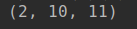
만들어진 딕셔너리를 가지고 원핫 인코딩을 하기 위해 results 를 0으로 채운 (2, 10 11) shape을 만든다.
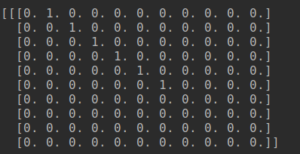 “The cat sat on the mat.” 이라는 문장을 원핫인코딩한결과
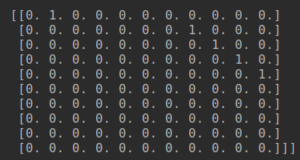 “The dog ate my homework.” 이라는 문장을 원핫인코딩한 결과
이번엔 문자 수준 원-핫 인코딩 코드:
|
1 2 3 4 5 6 7 8 9 10 11 12 13 14 15 16 17 18 19 20 21 22 23 24 |
#문자 수준 원-핫 인코딩 import string samples = ['The cat sat on the mat.', 'The dog ate my homework.'] characters = string.printable #출력가능한 모든 아스키문자 print("출력가능한 모든 아스키문자 :",characters) print("그 길이 :",len(characters)) token_index = dict(zip(characters, range(1, len(characters) + 1 ))) print(token_index) #print(len('The cat sat on the mat. The dog ate my homework.')) #print(max(token_index.values()) + 1) max_length = 50 results = np.zeros((len(samples), max_length, max(token_index.values()) + 1 )) b = token_index.get('T') #print(results.shape) for i, sample in enumerate(samples): for j, characters in enumerate(sample): index = token_index.get(characters) results[i,j, index] = 1. print(results) |

케라스를 사용한 단어 수준의 원-핫 인코딩 코드:
|
1 2 3 4 5 6 7 8 9 10 11 12 13 14 15 16 17 18 19 20 |
#케라스를 사용한 단어 수준의 원-핫 인코딩 from keras.preprocessing.text import Tokenizer samples = ['The cat sat on the mat.', 'The dog ate my homework.'] #가장 빈도가 높은 단어 1000개만 지정 tokenizer = Tokenizer(num_words=1000) tokenizer.fit_on_texts(samples) #단어 인덱스 구축 sequences = tokenizer.texts_to_sequences(samples) #문자열을 정수 인덱스 리스트로 변환 print("정수 인덱스로 반환된 문자열 :",sequences) #직접 원-핫 이진 벡터표현을 얻을 수 있다. 기타 많은 벡터화 방법들 제공. one_hot_results = tokenizer.texts_to_matrix(samples, mode='binary') word_index = tokenizer.word_index #계산된 단어 인덱스를 구한다. print('%s개의 고유한 토큰을 찾았습니다.' % len(word_index)) print(one_hot_results.shape) print(one_hot_results) |

케라스에는 원본 텍스트 데이터를 단어 또는 문자 수준의 원핫 인코딩으로 변환해주는 유틸리티가 있다. 코드 부가 설명은 위에 있다. python으로 구현한 results 크기는 (samples, max_length, token_length + 1) 이지만 케라스로 구현한 results의 크기는 (samples, max_length) 이다.
원핫 인코딩의 변종 중 하나로 원-핫 해싱이 있는데 이 방식은 어휘 사전에 있는 고유한 토큰의 수가 너무 커서 모두 다루기 어려울 때 사용한다. 단어를 해싱하여 고정된 크기의 벡터로 변환한다. 이는 위의 코드와는 다르게 명시적인 인덱스가 필요 없어서 메모리를 절약하고 온라인 방식으로 데이터를 인코딩할 수 있다. 문제는 hash collision(해시 충돌)인데 2개의 단어가 같은 해시를 만들면 모델은 이 차이를 구분하지 못한다. so 해싱 공간의 차원을 해싱될 고유 토큰 전체 개수보다 크게하여 충돌 가능성을 감소시킨다.
해싱 기법을 사용한 단어 수준의 원-핫 인코딩 코드 :
|
1 2 3 4 5 6 7 8 9 10 11 12 13 14 15 |
from keras.preprocessing.text import Tokenizer samples = ['The cat sat on the mat.', 'The dog ate my homework.'] #단어를 크기가 1000인 벡터로 저장한다. 1000개 이상의 단어가 있다면 해싱충돌이 늘어난다. dimensionality = 1000 max_length = 10 results = np.zeros((len(samples), max_length, dimensionality)) for i, sample in enumerate(samples): for j, word in list(enumerate(sample.split()))[:max_length]: #단어를 hash하여 절대값으로 바꾼뒤 1000으로 나눈 나머지 index = abs(hash(word)) % dimensionality print(index,word) results[i,j,index] = 1. |
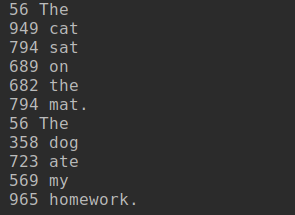 고유한 토큰 수가 너무 많을 때 일일이 지정이 어려우니 해시값으로 넘겨버림.
단어 임베딩:
개요설명///
|
1 2 3 4 5 6 |
#Embeddng층의 객체 생성하기 from keras.layers import Embedding #여기서 1000으로 단어 인덱스 최대값 + 1이다. 0은 사용안하기 때문 #임베딩 차원은 64 embedding_layer = Embedding(1000,64) |
